Introduction: A Simple Scene, a Few Numbers, and One Question
I remember sitting with a friend who bought an infrared bed hoping it would fix years of stiff mornings. A few weeks later she told me the machine sat unused in the corner (dust and all) because the heat felt uneven and the controls were confusing. Recent surveys suggest nearly 40% of new buyers stop regular use within three months—so this isn’t just one person’s story. Infrared beds often promise fast recovery and better sleep, but real-world results vary. Why do so many users give up so quickly? I’ll walk you through what I’ve learned and what actually matters when you bring one of these systems into your home—no fluff, just practical ideas you can try tonight. — Let’s move to the root causes so we can fix them.

Spotting the Hidden Flaws: Deep Problems with red light therapy bed for home use
Look, I want to be frank: a lot of problems aren’t about the therapy itself. They’re about design and delivery. Many home units skimp on consistent infrared wavelengths and rely on cheaply packed LED arrays that create hot spots and cold spots. That means one side of your back may get effective stimulation while the other side gets almost nothing. I’ve seen manufacturers ignore proper thermal sensors and feedback loops—so temperature control is a guess rather than a measured value. The result? Users feel disappointment, then frustration. I’ve said it before and I’ll say it again—user experience wins over feature lists every time.
Another frequent issue is power management. Cheap power converters and undersized circuits lead to uneven output as the device warms up. Treatment protocols are often generic; the same preset is pushed for every body type. That doesn’t work. People vary. Weight, skin tone, and sensitivity change how infrared wavelengths penetrate tissue and deliver benefit. So, the flaw is twofold: hardware that doesn’t maintain consistent output, and software (or presets) that ignore individual differences. These are design missteps, not inevitable limits. We can demand better engineering—edge computing nodes for localized control, smarter thermal sensors, and adaptive protocols that learn from simple user feedback. Yes, it can be done. — funny how that works, right?
Why fix what seems fine at first?
Because small mismatches turn into big drop-offs in use. When people don’t feel steady results, they stop using the device. I’d rather own a simple unit I use every night than a flashy model that ends up as a towel rack. We need reliability, predictability, and comfort—period.
New Technology Principles: Building Better Home Infrared Beds
Moving forward, I favor a set of practical principles over marketing claims. First: adaptive output. A good red light therapy bed for home use should read skin response (simple thermal sensors) and adjust LED array intensity in real time. That keeps treatment consistent across sessions. Second: modular design. Power converters and LED modules should be serviceable, not glued into a sealed box. This cuts waste and lets owners upgrade parts as technology improves. Third: personalized protocols. Short, simple calibration routines can tailor session length and intensity to a person’s needs. I’ve helped users run five-minute calibration tests and the gains—true comfort, better sleep—show up fast.
Technically speaking, think of the bed as a system: sensors, control board, and user interface working together. Edge computing nodes can handle immediate feedback locally, avoiding lag from cloud roundtrips. That keeps adjustments fast and reliable. Treatment protocols that adapt reduce the “one-size-fits-all” failure mode. If you’re shopping, look for units that expose basic metrics—session energy, peak wavelength stability, thermal variance. Those are clues that the engineers cared about performance. We’re not chasing buzzwords; we want measurable, repeatable outcomes.
What’s Next — Practical Steps
Start small. Test for even heat with a simple cloth or thermometer. Ask sellers about thermal sensors and power converter ratings. Demand adjustable protocols. If you’re ready to upgrade, consider models that emphasize serviceable parts and honest data readouts. I’ll leave you with three evaluation metrics to use when comparing products:
1) Output consistency: look for specs on wavelength stability and thermal variance. 2) Adaptive control: does the unit adjust to feedback from sensors? 3) Serviceability: can you replace LED modules or power converters without buying a new bed? Follow these, and you’ll avoid most buyer’s remorse. I’ve seen the difference myself—owning a bed that’s tuned to me changed how often I use it. — funny how that works, right?
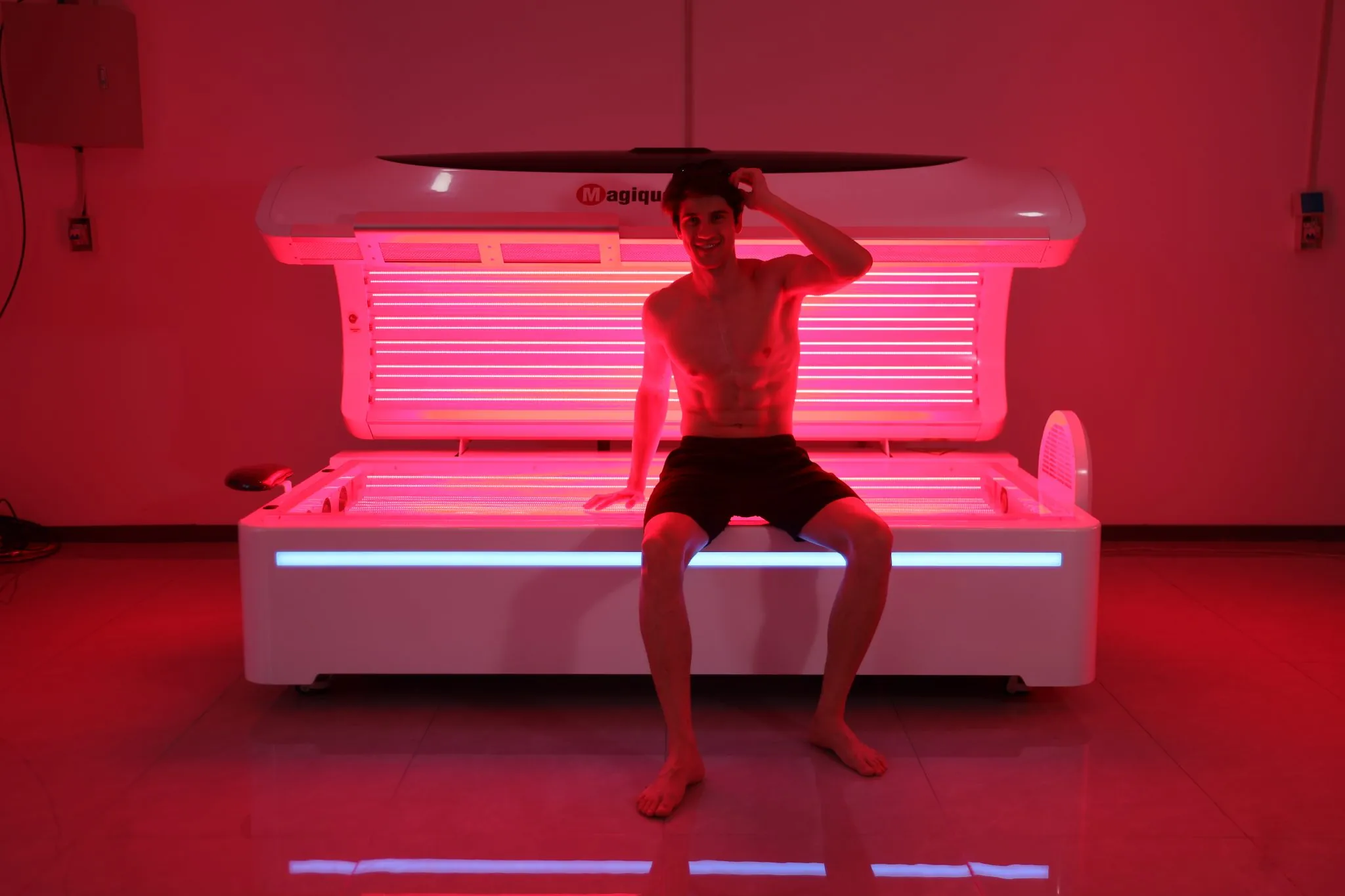
For anyone who wants to explore thoughtful options with clear specs and responsible engineering, check out the product lines from Magique Power. I’ll keep digging into user feedback and tech updates, and I’m happy to help you test a few models if you want to compare notes.