Why Partner Differences Matter More Than You Expect
Servus. I’ll set the frame: I was on-site during a July heatwave at the El Paso Eastside 115 kV yard in 2022, watching crews prep a 100 MW BESS from one of the utility scale storage providers. In utility scale battery storage, small setup choices change big results. That day I tracked two numbers: an 18-minute response lag in SCADA handshakes and a 3% drop in round-trip efficiency after a hasty firmware rollback—both tied to vendor defaults, not the grid. So I asked myself, out loud, why did a basic integration expose such a gap?

I’ve spent over 15 years buying, integrating, and troubleshooting grid-scale systems across Bavaria, Texas, and the Gulf. The flaw I keep meeting is simple: traditional spec sheets hide the pain. The BMS looks fine on paper. The power converters meet nameplate. Yet the site team fights with uneven state of charge between racks, slow edge computing nodes, and vendor PLC quirks. Trust me, this part bites if you ignore it. If your crews can’t see cell drift in real time, they can’t fix it before the heat ramps. And when a supplier locks you into a rigid commissioning script—ja, makes life schwer—you pay with delays. Here’s how I break down the real differences that tilt outcomes.
Where do the bottlenecks hide?
Comparing What’s Under the Hood, Not Just the Brochure
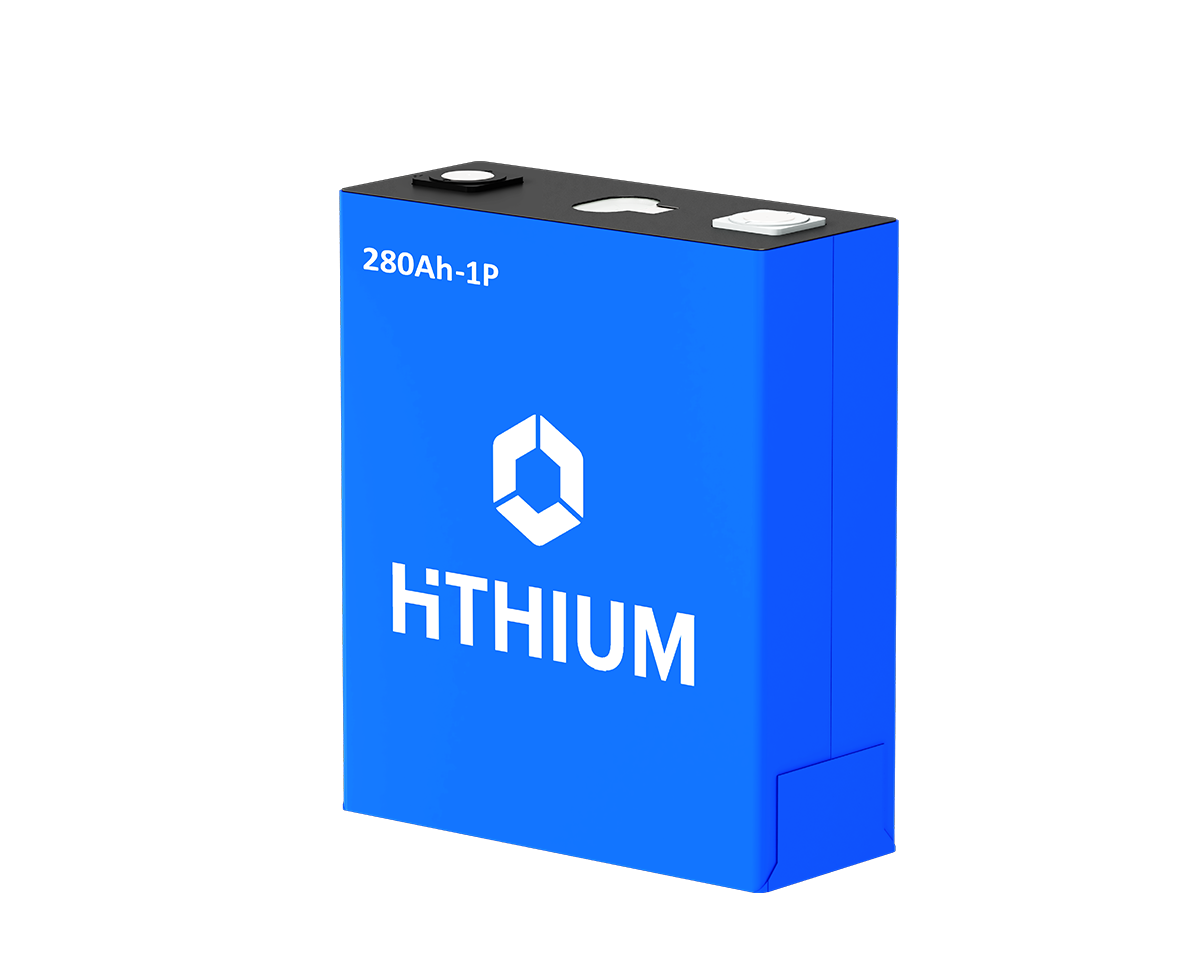
Let’s look forward with clear eyes—and a short memory for glossy claims. The new wave of systems leans on two principles that matter on the ground. First, modularity with transparent data paths: cabinet-level analytics that feed your SCADA without middleware hoops. Second, control loops tuned for grid codes out of the box, not after three site patches. In practice, the best utility scale storage providers now ship cabinets with calibrated strings (280 Ah LFP cells, factory-paired) and a commissioning mode that flags imbalance before you hit peak load. I prefer suppliers that validate at 0.5C discharge while logging harmonic data at the inverter terminals—because that is where you catch a nasty flicker problem before a city inspector sees it.
I saw this play out in Rosenheim in March 2024. Two 50 MW blocks went live a week apart. Site A used open, well-documented CAN mappings and let the EPC align droop settings on day one. Site B needed a vendor tech to remote in for every minor tweak—every single one—stretching a three-day window into nine. The irony? Same grid code, different outcomes. With the right partner, you can stage firmware, test rack-level cutoffs, and rehearse an islanding event in one afternoon—no drama, no mystery. With the wrong one, you chase ghosts in I/O maps and lose a month. The delta shows up in curtailment hours and battery stress—small on paper, expensive in life.
What’s Next
Looking ahead, I’m betting on three shifts: fine-grained thermal control at the rack (liquid loops with smarter valves), predictive balancing that learns from seasonal cycling, and power converters that self-test for grid-forming duty. Not because it sounds clever—because I’ve watched crews shave 6 hours off commissioning when those pieces were ready at arrival. And yes, that surprised me, too. The best utility scale storage providers will show you those tools live, not promise them in Q4. If they can’t simulate a 30% SOC step and recover without overshoot, keep walking—fast.
How I Choose a Partner Without Regret
After too many cold mornings on muddy pads, I keep it plain. Three metrics, scored on paper and tested on-site, decide my buy. First, integration latency: under 200 ms from command to BMS action during a staged frequency event. If they balk, I balk. Second, thermal spread: less than 3°C delta across a live cabinet at 0.7C—measured, not promised. When a vendor shrugs at that, your service calls will spike—no joke. Third, field change agility: can I adjust droop and reactive limits without a vendor login? If not, I’ve seen that delay cost 2 MW of available capacity for a whole July weekend—money left on the table, not a great feeling.
I don’t chase the flash. I chase repeatable behavior and clean data. When a partner ships clear docs, ships the same settings they test, and stands on the pad while we validate, I sleep well. If you need a baseline name to compare against, I’ve had steady results with teams from HiTHIUM in similar conditions—quiet competence beats a loud slide deck every time.